Why Brunch Coffee Matters More Than Dinner Coffee
A short defense of taking the morning cup as seriously as the eggs.
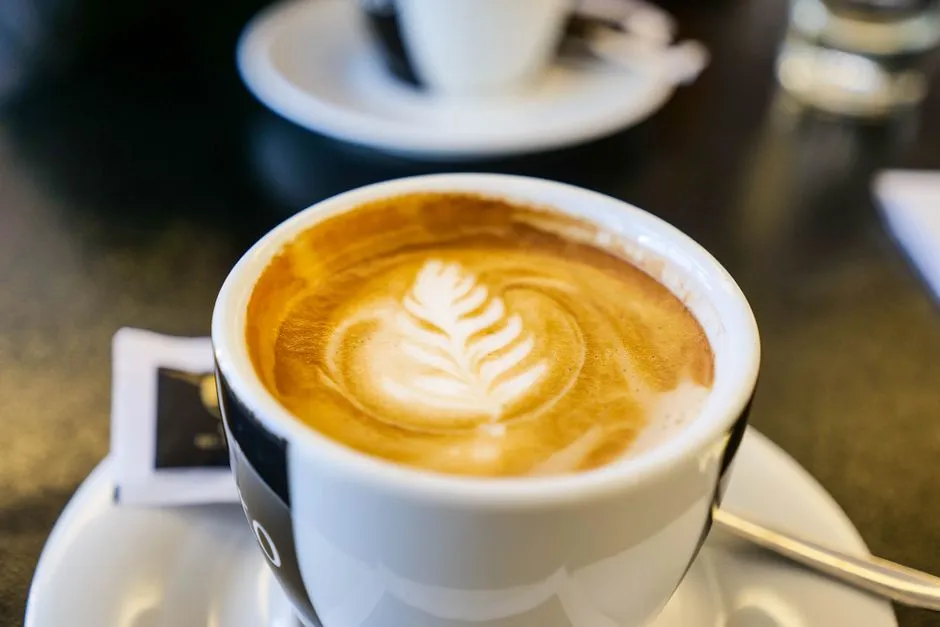
Dinner coffee is a postscript. Brunch coffee is the lead. The cup arrives before the food, sets the pace of the meal, and frequently outlasts the plate by an hour. So it is genuinely strange how often brunch kitchens treat coffee as an afterthought, and how rarely diners insist on better.
A great brunch coffee program does three things. It uses fresh, well-roasted beans from a roaster that cares — which usually means a local one, named on the menu or the bag behind the counter. It brews them with care, which most often means a careful drip or a competent espresso machine maintained by someone who actually drinks the result. And it serves coffee at the right temperature, in a real cup, with a refill rhythm that doesn't require a hostage negotiation.
There are easy tells. If the menu names the roaster, that's a good sign. If the espresso shot has crema and a tight pour time, that's a good sign. If the drip is a single batch in a thermos rather than a pot that's been on the burner since the kitchen opened, that's a great sign.
If the staff knows the difference between a cortado and a flat white, you've found a place that takes the cup seriously. The reason this matters is that brunch is a long meal, and coffee is the through-line. A great cup makes the rest of the table taste better — pancakes get sweeter against a clean dark roast, eggs richer against a balanced light one, and bacon more complete with a hot black mug to chase it. A weak cup makes you eat faster than you wanted to, just to escape the burn.
Tip your barista. Order a second cup. If the kitchen has put thought into the food, the coffee is part of that thought. Drinking it slowly is the polite reply, and it is the right way to spend a Saturday morning.
Keep reading
Brunch for Vegans Without Settling for Avocado Toast
Where to look on a brunch menu when you want more than a bowl of fruit.
Read the tip →Reservations vs. Walk-In: When Each One Wins
The trade-off between booking ahead and showing up early, in plain language.
Read the tip →A Short Manual of Modern Brunch Etiquette
Small habits that make weekend service work for everyone in the room.
Read the tip →